Thursday, June 5, 2014

Organic Wines from Costco

An April 2014 trip to Costco resulted in two organic wines: one table red and one Chardonnay. At $6.49 they were definitely a deal. However, I'm shopping for wedding wines and am hoping for something even cheaper. To spend $6.49 a piece for my wedding wines I'd have to be pretty impressed. Both of these wines were pretty good and worth purchasing individually. I probably won't buy them for my wedding though. 

Pacific Redwood Organic Red Table Wine

This wine was very appropriately woodsy. I wanted to like this wine because I'm from the Redwoods and wanted to represent where I am for my wedding - especially to my fiance's East Coast family and friends. However, the first notes come on too strong and it is a bit overwhelming in the woodsy flavors. The flavors do mellow out as the wine opens up. The description on the back reads blackberry and plum, but this seems to be overshadowed by the smokiness. I had a friend try it and she liked it but felt it was unremarkable. 
We rated it as a 3 out of 5 - the interpretation being it's at least good enough to drink for free. 

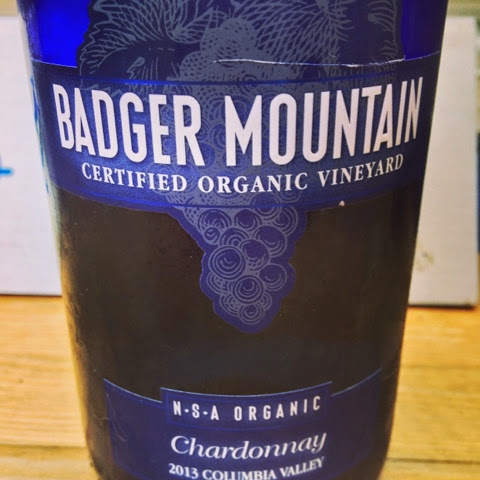
Badger Mountain Certified Organic Chardonnay 2013

This wine definitely has a little something special to it - a complex melange of crisp, tart, dry, and fruity. With a slightly sweet start, the wine actually ends up dry and would make a nice table wine for rich cuisines of all variety. This would definitely be a great wine to take to a party. 
We rated it somewhere between "I'd drink it for free" and "I like it!" Landing this Chardonnay a 3.5 out of 5. 

Overall, I am not terribly impressed with Costco's organic wine selections. These were the only two and they were not impressive. I would buy the Chardonnay again but not sure if I will shell out $6.49 a bottle for my wedding. I like the Green Fin organic Chardonnay for $3.99 at Trader Joe's just as much if not better. 

Saturday, April 26, 2014

Book Review: Salvage by Alexandra Duncan

A Review of Salvage by Alexandra Duncan

When times are hard, escape into a good book, another world, is something that I relish. With the ups and downs of attempting healing diets and medications, I’ve been on and off the roller coaster of hope and disappointment. Alexandra Duncan’s new book Salvage took me across space and time, transporting me away from my worries and pains of my earthly body.

Who wouldn’t be intrigued by a Sci Fi futuristic tribe of Mormon-ish people? I was hooked from the beginning of this story! This is a fascinating novel, albeit a little bit contrived at times, especially in the beginning, as the stage is set. We are introduced to the customs and language of a tribe and their spaceship through a day in the life of Parastrata Ava. This is no ordinary day – it is the day she is to be wed during a trade agreement with another tribe.

Duncan created a dystopian future in which a young woman, seemingly bound to a destiny, is ultimately liberated by what starts out as her demise. Ava is the daughter of a captain of what is described as a “trans-celestial merchant tribe.” A misunderstanding sets Ava onto another course, Earthside. It is then that we learn more about why the tribes are spaceside.

Through her journey to the futuristic Mumbai in search of her aunt, Ava slowly awakens to her true destiny. She is aided by a young girl who teaches her to read and the girl’s mother, who teaches her to fly a small mail carrier. Finally, as the ending draws near, and the anticipation of what I both wanted and didn’t want to happen builds, I found myself wondering how the book could conclude in a way that felt right. Two final twists at the end left me completely satisfied and simultaneously sad that the book ended. Here’s hoping for a sequel.

Monday, March 24, 2014

Writing to Heal: A workshop with Deborah from Heal Write in SF

Long before I started eating to heal my gut, I was drowning in depression. I felt as if I was reaching out to grasp reality but I was weighed down by a fog that kept me confused and exhausted. This was before my gut pain started , when I was around fourteen years old. It was around when I was 11 when my first journal entries show tendencies towards depression: melancholic reflections on my and the world's failings. In my teens and 20's doctors attempted to treat me with anti-depressants and anti-psychotics before I started hearing anything about the gut-brain connection. Finally, ending my twenties, I started exploring how food was affecting my health. Upon the removal of gluten and dairy I felt 10 times better! But I still have a ways to go towards experiencing what would be called a "normal" level of health for my age.

When I first heard of Heal Write workshops, I thought, "Perfect!" I love to write and I am working on healing. Writing has been an integral part of my emotional and physical health management since I was, well 11! But, lately I've been wanting more guidance. After I signed up for a workshop I started to wonder if it would actually be good. Now, after the experience, I can say I agree with other reviewers of Heal Write on Yelp that Deborah creates a safe setting to explore creative writing through wonderful prompts!

In the two hour workshop we had four writing exercises. The last exercise was prompted by a lovely poem about the life a daffodil, breaking free from the ground and into the harsh extremes of the weather. Deborah then asked us to write about an experiencing breaking free. This is what I wrote:

Freeing my mind
from the think pea soup of fog,
lifting a molecule,
a lie,
away at a time.
But the lies lay
on axioms that
I can't yet see
through the murky green.


A molecule,
a thought at a time
gets you no where.
Gravity
pulls more in.


And the movement
starts a churning
that
vortexes
and
disorients.


What is true,
what is real?
Finally,
it doesn't matter.
I am
My own normal.
I
stop the spinning
by
defining my own
ground.

This
is where
IT is.
This
is where
I stand.
Throw all the pea soup at me
that you like.
I'll eat it up
or
Spit it out.

Saturday, February 8, 2014

My Top GAPS Diet Mistakes

The body is a complex system and our digestion is the foundation. Messing up our digestion can mess up any number of other body functions. For me, I've suffered intense adrenal depletion, body chemistry changes, emotional stress, lowered immunity, and elimination issues. This affects how I need to do the GAPS diet - particularly the adrenal fatigue. This blog is about the mistakes that I made; they may or may not apply to you. I hope this will be helpful whether you are trying to learn about the GAPS diet or are someone in my life trying to learn more about me.


1. Not enough broth

My first month back on the GAPS diet, I did not notice much effect on my digestion. When I thought back to what I ate, I realized that I was not eating bone broth every day! The recommended broth intake is with every meal. I bumped up my broth/soup consumption to at least twice a day and now I am noticing a difference. A good homemade bone broth is rich in gelatin, healthy fats, and minerals. The gelatin is very soothing and healing to the digestive track. The minerals in the broth are highly absorbable and essential for healing.

Solution: Continuous brew broth.  I have a crockpot going all weekend and just keep making soup and then adding more water. The last batch is usually not very gelatinous, but, it is still beneficial. This method keeps me eating plenty of soup, which is so much more digestible for me.

You can also make lots of broth at once! It makes your house smell, so it can be good get it all done at once.


2. Too much fruit and honey

I am not endorsing eating cats.
Without dairy, grains or sugars, I have been at a loss of what to eat. Smoothies, fresh fruit, applesauce and other treats started filling up my diet, as they are "GAPS legal." But, I've been overdoing it to the point where I feel nauseated from eating too many sweets. The bad bacteria produce alcohol, giving me the symptoms of being hung over. Fruits do have some di-saccharides in them, and they do provide food for bad bacteria. While I wouldn't avoid fruit altogether, I definitely am eating too much. I also believe many fruits may be too acidic for my stomach. I'm not worried about them affecting my body pH - I actually feel like my stomach is burning when I eat them. 

Solution: Eat more soup! I have to keep telling myself, "It's okay to eat soup all day!" I eat boring soups, I eat fun curries with pumpkin.  I have to keep eating every 2-3 hours so my blood sugar doesn't drop. Unfortunately, this means a lot of prep to constantly have soups and non-fruit snacks available. I also juice a lot of veggies instead of fruits.


3. Too low carb 

It's pretty hard to get carbs without grains and fruits! My adrenals are so taxed, that going so low carb makes me almost useless. It's abundantly clear that eating any grains at all makes my gut incredibly inflamed. And fruits make my stomach burn and are possible not good for me to eat a lot.

Solution: Eat a bunch of squash. My favorite is kabocha squash, either steamed/mashed or roasted with coconut oil and salt. Or, I like to roast it and then cut it into cubes to go in Thai curry.  Ultimately, it's better for me to eat something than let my blood sugar crash. My latest favorite is to make curried roasted root veggies.

Recipe for Curried Roasted Root Veggies:
Chop a bunch of beets, carrots or radishes, coat in coconut oil and sprinkle generously with curry powder. Roast on 400F for 45-60 minutes, depending on how small the chunks are.

Grain free bread - not terrible for you in moderation.

4.  Too many baked goods

Baking grain free means baking with coconut or almond flour. I don't seem to digest nuts with ease, although much more easily than grains. I also think that eating a ton of nuts is not part of a well balanced diet.  And, I feel it keeps me from what I should really be eating which is vegetables and broth. I will still eat some baked nut flour treats, but not daily.

Solution: The problem is the solution - baked goods kept me from eating soup. Eat tons of soup!The roasted root veggies can really help satisfy the need for something baked and sweet.


Fermenting purple cabbage and kombucha.

5. Not enough fermented foods

I try to eat fermented foods with each meal. To do this, I need a bunch of plain kraut on hand at all times. Kimchee doesn't go with everything. But, I do like to have kimchee around too, as well as other fun variations on kraut.

Solution: Invest in kraut making kitchen goods and starter cultures. Then you can make tons of fermented veggies cheaper!  Drinking kraut juice or beet kvass can really help keep up the intake of probiotics. Here is a recipe for fermented herbal tea that I want to try!


6. Too much alcohol 

The GAPS diet says some liquor and dry wines are okay "occasionally." What does that even mean? For me, figuring out how much I can drink and not feel negative results has been difficult. Finally, I think I've realized that I cannot really handle any alcohol right now. And what's the point anyway? I am not a glass of wine with dinner kind of person - I rarely only want one glass. Usually I want to drink because I am in a social setting - a wedding, a birthday, etc and so usually I want 2 or 3. But that's definitely too much.

Solution: Avoid drinking situations as much as possible. Ask friend to go to tea, for a walk, to the beach etc. Living in San Francisco, I really enjoy seeing old films at the historic theaters like the Castro theater.


7. Not enough planning
Going on the GAPS diet is a major lifestyle change. It has changed not only what I eat, but how I spend my time, who I hang out with, and just about all parts of my life. I started the GAPS diet several times and couldn't maintain it. There always seem to be a reason to cheat - a wedding, a work trip, stress, etc. Often I don't have enough snacks to keep my blood sugar up.

Solution:  Keep meat and veggies well stocked at all times! Prepare lots of foods in advance. Have at least two different flavors of soup on hand at all times. Have ready to eat protein like salami, cooked shrimp, or cooked sausage (some of these are not recommended for severe GAPS patients). Always have broth cooking or in your fridge. Buy extra broth from butchers who make it from bones. Always bring your own food where-ever you go. See my post on Traveling on the GAPS diet.


It is okay to eat soup for breakfast! Beet kvass makes a great beverage too - sometimes I even crave it!


Thursday, January 2, 2014

Traveling on the GAPS Diet

Eating on the GAPS diet is hard enough when at home, but what about when you are flying? There is rarely food in the airport that is GAPS friendly, and even if it is, I have a serious concern with gluten contamination.

For me, today is day one of starting the GAPS diet again. I vow to make it to six months as the doctor ordered, and to do that I am vowing to avoid traveling by plane! Despite the snacks I bring, I usually end up breaking down and buying something warm or moist, rather than the packaged dry stuff I usually bring. However, I have come up with some ideas that are helpful.  Before I made my vows 0 I already bought a plane ticket to New Orleans for Jazz Fest this year, so I am still going to put these suggestions to good use. I'm not saying these recommendations are the perfect GAPS friendly, but they are better than binging and eating something that is not GAPS friendly at all and which may not be gluten free.


Protein
I have a friend who says she takes a roast chicken on the plane with her! I haven't tried that yet - it sounds messy and smelly. I do eat a lot of jerky, however this is hard to find sugar free. You can make your own jerky, but I have not ventured into that realm. At least you can get gluten free jerky! And when I eat mostly protein with a little bit of sugar, I don't seem to have too much of an issue.

Nutrients
I also bring packages of super food green drinks which add probiotics in addition to many vitamins, minerals and some protein.  You can add it to water or apple juice.

Sweets
One of my weaknesses is fruit snacks and the airport is usually where I break down and buy some. Fortunately, I've learned to make my own! I've adapted a recipe from Butter Believer and I'll write a post about it later.  These are really chewy so they can help relieve ear pressure as well!

Fillers
I also like to make mini muffins, GAPS friendly ones of course! The mini muffins bake through better, and are less crumbly which means they are less messy. Since they are basically bite size, that also reduced the messiness.

Drinks
I've been a soda junky my whole life! When the flight attendants come around with drinks, it is so hard for me to resist. Try packing a tea you are excited about and ask for hot water. Though they don't have honey on the plane usually, I bring a little thing of my own honey and some pure stevia packets. I know stevia is questionable to some people, but my doctor said it was okay for me to have on the GAPS diet. You can also bring tea bags that are made for ice tea and add them to bottled water. However, I prefer not to have caffeine on flights where I want to sleep.

Supplements
Being stressed is usually what gets me craving food.  To avoid that frazzled, stressed experience that going to the airport can be, you can try taking some aminos such as 5HTP (a precursor to serotonin) or L-Theanine, a relaxer and stress reliever which is also found in green tea (bring green tea bags!). I take something called Total Amino Solution on a daily basis which has additive therapeutic benefits, helping me feel happy and sleep easily. Another option is to try Rescue Remedy, a floral based de-stresser.


Wednesday, August 28, 2013

Dairy Free Eggplant "Parm" with Ground Beef

I have always loved Italian food. Cheese, carbs, tomato sauce, herbs, oh my! Once I realized I couldn't tolerate gluten or dairy, my Italian cooking become limited. I missed warm creamy, tomato dishes like baked ziti or lasagna. Then, I started a hybrid of the Paleo/GAPS diet. I dreamed of a dairy free, grain free version of Eggplant Parmesan for months before giving  Coconut flour is great for breading, and I figured a nut cheese would work well when baked with some tomatoe sauce. I sure was right about that! It really helps to make your own tomato sauce.

This dish is food for the soul. Especially for those of us who are so restricted. It takes a lot of effort. You can make the tomato sauce in advance. You can actually make all of the items in advance, and then the night of just layer everything and throw it in the oven. This way it only takes a little more than an hour the night of.


Nut "Cheese:"
1-2 cups of of nuts. (I use a mixture of cashews, macadamia nuts, and sunflower seeds or just cashews.)
1-2 TBSP Nutritional yeast
Garlic Powder, to taste
Salt, to taste
Pepper, to taste

Instructions: 
Soak nuts in water for 1-24 hours. Strain. Blend in food processor, adding water slowly to make a ricotta like paste. Add nutritional yeast, garlic powder, salt, and pepper to taste.

Tomato Sauce:
1 small onion, diced
8 tomatos
dried herbs, like thyme and rosemary
garlic
fresh basil
salt and pepper
a few beef bones, preferably with some meat on them
1 small can tomato paste

Instructions: 
Saute onion,garlic, and herbs for a few minutes until slightly browned. Add tomatoes, tomato paste, beef bones, salt and pepper. Simmer for at least an hour (Move on to the next part of the recipe during this time). Add basil and any other  seasonings to taste and simmer for a few minutes more so the basil will infuse.

Eggplant:
1/2 cup coconut flour
dried herbs or seasoning blend of choice, 1 TBSP
salt and pepper
1 egg

Instructions: 
Preheat oven to 375 degrees Fahrenheit. Slice eggplant in either direction, making it thin enough so it will cook through easily. Whisk egg. Dip eggplant slices into egg to coat, then dip in herbed coconut flour. Line the biggest pan that fits in your oven with tin foil and bake each side for 25 minutes, or more, until eggplant is browned on the outside and soft through. If your oven is small like mine, you may need to do two batches, for a total of 50 minutes each, or an hour and 40 minutes, plus extra time for removing one batch and adding the other. It's okay if your tomato sauce is simmering this whole time.

Beef:
1 pound ground beef
1 half small onion, diced
herbs and seasoning of choice

Instructions:
While your last side of eggplant side is in the oven, saute onions and spices and add beef until browned.


Eggplant "Parm"
Layer the sauce, eggplant, beef, nut "cheese." Lightly sprinkle with remaining herbed coconut flour. Bake on 350 or 375 for 30-45 minutes. Broil for 15 minutes to brown the top.

Sunday, August 11, 2013

Body Ecology: The Good, the Bad, and the Ugly

What if I told you that you are only 10% human? I'm not saying you are part chimp or alien, although science shows that we are descendants of one and conspirists say the other is "the missing link." What I am saying is that 90% of your cells are distinctly not human. Scientists used to think of the human body as a physical island, but in the last ten years research has shown that this island is actually heavily populated with a complex system of invisible inhabits. In fact, there are trillions of microorganisms living in each human body.

We've all gotten a "bad bug" from time to time. Whether it's an illness, or food poisoning, they eventually make their way out of our system. But now scientists understand that there are many microorganisms that live in every part of our bodies. What do these organisms for us? Are they good or bad for our bodies? How can we manage our island ecosystem to our benefit? Like a naturalist, we want to create a good environment for the critters who belong there and keep out the ones that don't. Here, I will share my knowledge about the good, the bad and the ugly microbial flora, which I have learned about in an effort to cultivate my own thriving ecosystem.

The Good: Essential and Beneficial Flora 

Organisms that provide benefits to us are often referred to as probiotics or beneficial flora. Our bodies have evolved to live in a symbiotic system with many strains, or types, of flora. Most of these microbes live in our gut, where they do very important work in assisting with digestion of foods. They break down our foods and help transport nutrients - in fact some foods cannot be broken down without them. Dietary fiber is actually bad for you without the aid of essential flora. Milk can be difficult for many to digest without a good gut colony. Additionally, gut flora produce vitamins K and B, as well as amino acids, so that we can have a steady supply throughout the day, and not just when we eat foods containing those nutrients. The best foods and supplements are useless to us without our fantastic little friends. The main strains of good flora are strains of Lactobacteria, for which Lactobaccillis is the original poster child of the probiotic movement, and Bifidobacteria, which Jamie Lee Curtis touts on Activa commercials. 

The Bad: Infection from Outside

You've heard of rotten food giving us E. Coli. Raw chicken, or improperly handled spinach can give you a dose of these unfriendly visitors. These guys are really tourists on your island, and eventually the locals kick them out. In fact, it is other strains of beneficial E. Coli that do the best job getting rid of  harmful E. Coli. In 1994 the World Health Organization stated that probiotics were the best defense in protecting from bacterial infection, second only to antibiotics. When traveling in places with untreated water, it is often recommended to take probiotic supplements to fight off a bad invasion. Even in the USA, we regularly fight off small bands of bad bacteria, thanks to our good gut flora.

The Ugly: Opportunistic Flora 

Unfortunately antibiotics and probiotic supplements are not enough to maintain our ecosystem. In fact, antibiotics kill not only the bad bacteria, but also the good. It's like bombing your island. The few that survive scramble to set up camp again, and often it's the guys who aren't so helpful who claim the most territory. These are called opportunistic flora, and they generally live in all humans and can provide some benefits when their populations are limited. It's like bees: having some bees is helpful for pollinating flowers, but do you want your island to be swarming with bees everywhere you go? No, you want just enough bees to do the job, and no more. These microbes can be difficult to control once they take over. And some of them are completely resistant to antibiotics but can be put in check by a critical mass of good flora.

Without a thriving population of the good guys, your digestive track is left vulnerable. The good flora usually protect your gut lining to regulate what goes into your bloodstream. In their absence, the opportunistic flora get into your bloodstream, where they essentially poison you. Additionally, they bore holes through your gut lining, which allows other poisons to get through. The milk protein Casein gets through these holes, where it has negative effects once in your blood - often causing lethargy and depression. Most symptoms of the common Irritable Bowel Syndrome, which currently accounts for 12% of doctor visits, can be attributed to an imbalance of gut flora.

The Right Balance: 

Maintaining a beneficial balance of microbial flora is not so easy to do in the modern age. Stress on us places stress on our most handy helpers. Pollutions and toxins harm our finest friends. Processed foods, especially complex carbohydrates, that are more difficult to digest, place more stress on our friends and often help out the opportunistic flora. While antibiotics are necessary and beneficial in cases where permanent damage or death can occur, they are sometimes over used today to the point of compromising the gut ecology. Additionally we consume a great amount of antibiotics through eating industrially produced meats.

Many people are returning to diets inspired by our ancestors - diets filled with organic produce and pastured meats. Cultured foods were an important part of the ancesteral diet because the culturing helps preserve the foods and provides probiotics. You can make your own cultured foods easily for little cost!  Today we can also take probiotic pills. It is important to note that these supplements are not going to be new residents, but are more like the Red Cross who comes in and provides some support and then departs. Like the Red Cross, you have to send enough help in order to make a difference - a good probiotic supplement should have at least 10 billion organisms, from several strains of bacteria. In order to re-establish a colony of good flora, it can often be necessary to make major lifesytle and dietary changes. This depends on the severity of your situation. For reference, I take 50-100 billion organisms a day, coming from 9-10 strains. Symptoms of indigestion, irregular bowel activity, lethary, feeling burnt out, or also emotional issues likes depression and anxiety can be signs that your gut flora is compromised. In these cases you should speak with a health care professional. Advertised products like Activa may not help you as the sugar content will feed the opportunistic flora and may not offer that much benefit.

It's easy to damage the good gut flora, and hard to get rid of opportunistic ones. If you currently have a healthy balance, it can be important to take steps to maintain it. As we get older, it is harder to do so. This is why some people develop a food intolerance or two later in life - when the population of mini digestors diminishes,  the ability to digest certain foods also lessens. The basis of your health depends on your ability to digest nutrients and thus depends on managing your microbial ecosystem so that our island can thrive.


Wednesday, June 12, 2013

Baking on the GAPS Diet (+ Carrot Cupcake Recipe)

Once I introduced nuts back into my diet, the baking was on! I just have to make sure I don't eat too many cupcakes or slices of "bread" at once, or I do get a little stomach ache.
Almond and coconut flour are the two I most commonly use in recipes. Coconut flour has a tendency to be a bit dry, and almond flour is said to not be so healthy when baked or heated. I personally like to use some of both. I generally don't measure, but I'd say I usually use half and half or 2:1.  Sometimes, I use some ground hazel nut meal as well. It has a great flavor!
My original grain-free/GAPS baking experiments were often oily and wet in the middle, but still pretty tasty. To avoid the oily, I used less oil and more eggs. To avoid the mushy in the middle, I cook lower and longer. A lot of recipes I was finding on the web had baking powder and/or baking soda in them. I avoided those since I was pretty sure they weren't GAPS friendly. Here's why:
Baking powder=baking soda + cornstarch: This obviously has starch, which is to be avoided on the GAPS diet.
Baking soda: Though GAPS legal, since it is very alkaline, it is not recommended for people with low stomach acid (I think that's me).
I learned all this from a great article on The Well Fed Homestead's site. It seems that both baking powder and soda are best avoided for me. However, in such small amounts, it seems that they can't be that bad? The more you "cheat," the harder/longer it is to heal. Honestly, the recipes are much better with at least baking soda. If I don't have yummy baked goods, I might cheat even harder on something else. I'll have to play it by ear. Who wouldn't want to eat these yummy looking cupcakes?

Here's a recipe I adapted from a couple of people for the carrot cupcakes above:
Cake ingredients (makes 12 cupcakes):
 1.5 cups nut flour (I used a blend of coconut and almond)
1 teaspoon salt
1 teaspoon baking soda
1 teaspoon cinnamon
1/2 teaspoon cardamom
4 eggs
4 tablespoons coconut oil
1/3 cup honey
1.5 cups grated carrots
1/4-1/2 cup raisins (old dry ones are best)
1/2 cup coarsely chopped walnuts

Frosting ingredients:
1/2 cup ghee (or butter. coconut oil would probably work too)
1/4 cup honey

Instructions:
Preheat the oven at 350.
Mix the dry ingredients, in a mixer or with a hand held blender to get coconut flour clumps blended.
Add the carrots.
Melt coconut oil, add honey and mix.
Whisk eggs.
Add liquid ingredients to dry, using mixer or blender if necessary.
Place in cupcake holders (works best without paper holders - use silicon or directly in pan)
Bake about 20 minutes.  

Whip ghee/butter with honey.  Use frosting tools or smooth onto completely cooled cupcakes. 
These cupcakes were amazing! You could barely tell they were grain free, let alone gluten free. I'll have to try them without the baking powder and soda and see what happens. The frosting wasn't enough to cover the entire 12 cupcakes, but, it was so intense, it only needed as much as is shown.

 Lately I'm loving listening to Zola Jesus as I get busy around the house, or am just relaxing. Her music is a lovely blend of eerie and soulful tunes. I like all her albums! 

Wednesday, June 5, 2013

Making it Through the GAPS Introduction Diet

Hello hello! 

It's been a crazy few months - both starting the GAPS diet and applying for a job. Neither of those may sound like that big of a deal but, they were both were incredibly intense! The job was intense because I had a month to work on the application, and it was very bureaucratic and involved preparing many materials. I then spent the next month preparing a lesson presentation and two rounds of interviews! Thank goodness it is over and hopefully I will get the job. Should be hearing soon! 


But you are probably here to read about the GAPS diet. What horrible timing it was that I started the GAPS Introduction Diet at the same time I heard this job was available. The first few weeks of the Introduction Diet, I was completely lethargic. Fortunately, I have a loving boyfriend who cooked and cleaned for me during this time. He basically did as much as he could for me, because I could barely function. I did make it to work everyday but I was miserable and came home and just laid on the couch all night. After three weeks of being miserable and being stuck on stage 2 because the introduction of nuts caused irritation in my gut, I went to see the doctor. What he told me is really helpful! 


My doctor's guide to going through the GAPS Introduction Diet:

Go through the stages, adding foods as you can. If you react to a food, skip that item but keeping progressing. Try adding skipped items until you can tolerate them. The stages of the Introduction Diet are more like a guideline. The important thing is to at least stick to the full GAPS diet, eating lots of broths and other recommended foods. He said I was going through starvation due to being too low carb, and encouraged me to add fruit to my diet and continue to eat lots of squashes. He emphasized that taking probiotics is essential for regulating the digestion. 


Symptoms on the GAPS Intro Diet:


  1. Carb Withdrawls: This is sometimes referred to as the Atkins flu - feeling tired and achy due to an extreme drop in carb intake. Supposedly, it takes your body about a month to switch from relying on carbs to relying on ketones for energy. I was so low carb, without any fruit that I could barely function. Things that helped: 
    • Eating GAPS legal squashes as they have some starch, but not too much to overload your body with hard to digest disaccharides. Adding lots of fats such as butter or coconut oil is recommended. I especially liked Kabocha squash with coconut oil and salt. 
    • Drinking tea with honey. If fruit is hard to digest, as it was for me the first few weeks (especially raw), honey is a good way to get some carbs in your system. 
  2. Bacterial Die Off: As you starve the bacteria from the removal of carbs, the dead bacteria are basically poison that your body has to eliminate. For  me, this meant lethargy, brain fog, and nausea. I find when I don't follow the GAPS diet well enough (drinking too much alcohol, not eating enough fermented foods and broths) that these symptoms flare up again. Things that helped:
    • Take lots of probiotics and eat lots of fermented foods! The good bacteria are essentially for removing the dead bad bacteria. I find it helps to eat fermented foods with each meal, but don't always get myself to do this. For supplemental probiotics, you want to take a brand that has at least 10 strains of probiotics, with at least 8 billion organisms in a serving. Read the GAPS book for more on this. 
    • Drink lots of water! Flush the suckers out of your body.
  3. General detoxifying: As you begin to eat only healing, non-toxic foods, your body will begin to do what I think of as "catching-up" with its house keeping. From what I've been told, once you are not overloading your body with toxins on a daily basis, your body begins releasing old toxins that it was forced to store in fat because it couldn't process them all. I don't fully understand this, because it seems like you would just be processing the maximum amount of toxins until you got them all out, but, apparently it is common to feel worse when you first start detoxifying. For me, I feel lethargic and have brain fog. Sometimes I feel very irritable depending on how intense the detoxing is. Things that helped:
    1. Again, drink a lot of water to flush out toxins! 
    2. Detoxifying baths or foot baths will help take the burden off your body! I felt that the foot baths helped calm me, and made falling asleep for this life longer insomniac much easier. I felt noticeably better after just a 30 minute foot bath. I usually used Epsom salts with blends of essential oils. I like lavender and ylang-ylang. 
    3. Juicing fresh fruits was very helpful for me during the first month of GAPS. I added carrot juice earlier than it arrived in the stages. Fresh juice gives a lot of people diarrhea, but I have the opposite problem, so I added it ASAP. this helps pull out toxins. 


After the visit with my doctor, I backed off nuts for awhile, but tried other foods on stage 3. By that time, I was so bored with the foods in the first few stages, I basically just started eating everything I could tolerate on the full diet. I immediately got my energy back and felt better than ever! After a week or so, I tried nuts again. I seemed to be able to tolerate them in smaller doses, but not when binging on tons of nut products. My favorite things to eat are nut based muffins or cupcakes and bananas with peanut butter. I've been taking 50-100 billion probiotic organisms a day, and my gut and whole body are feeling much better. 


A Helpful GAPS Introduction Resource: 
One helpful resource for getting started with the GAPS Introduction Diet is an e-book put together by a mother who helped her family heal on GAPS. She lays out meal plans for each stage of the diet, so for those who feel overwhelmed, it's nice to follow. I got ideas from her book, but did not follow it exactly. From her book, I was inspired to take foot baths (not having a bath tub), and I found those very helpful! My favorite food idea I got from her was making meatballs, to which I added some liver for extra health benefits! My one criticism of the book is that it is written by a stay at home mom, so it doesn't always work well for a busy working professional doing the diet for herself (me). For example, she recommended when you go through carb withdrawals to drink some juice and take a nap. I don't always have that luxury while at work, though I wish I did! I fully support stay at home moms, I'm just saying that my work routine doesn't quite work with advice like that. 


Music That Helps Me Get Through It:
Camera Obscura's new album Desire Lines makes for great cooking music! It's mellow, atmospheric, and charming as per usual for this band. On the first few listens, I don't have any favorite songs and don't love it the way I loved some of their past music, however, it's a solid album for some easy going listening. 

Tuesday, May 28, 2013

Ice Cream! Dairy Free and GAPS friendly.

I have desperately missed ice cream. 

Sorbet doesn't do it for me. 

I have enjoyed Coconut Bliss for several years now, but their flavors are a bit limited, and now that I'm on the GAPS diet, I am not supposed to have agave as a sweetener. My boyfriend found a sugar free and lactose free ice cream, but alas, it doesn't say anything about being casein free, and casein is also a problem for many of us with serious GAPS gut issues. I became determined to make my own ice cream, and fantasized about purchasing an ice cream maker for months before finally breaking down and getting one.

These are my first experiments with my ice cream maker. The base ingredients I am using are as follows:


Base ingredients:
1 can light coconut milk
1 can 100% coconut cream (from Trader Joe's)
[you can probably use to cans of normal coconut milk instead of those two above]
1/4-1/2 cup honey
3-5 servings of stevia
1/2 teaspoon sea salt


I've made three different flavors so far:

1. Chai (Banana)
I adapted this recipe from one I found online. It called for cashew butter, which I did not have, so I used bananas. The bananas do impart a moderate flavor, but the chai is so strong that is still a lovely banana-chai recipe.

Additional ingredients:
1/2 cup cashew butter or 1-2 bananas

4 bags of chai tea, or 4 teaspoons of loose chai tea
some fresh ginger
teaspoon vanilla


Instructions:
  1. Pour the can of coconut milk into a small sauce pan and heat on medium. Add the chai tea and ginger. Simmer for  a few minutes, whisking frequently.
  2. Strain the tea out of the coconut milk, and throw out the tea.
  3. Add all remaining ingredients to a blender; mix until creamy. 
  4. Place in fridge for 1-2 hours (or overnight) to cool. 
  5. Mix in ice cream maker for 20-30 minutes. 
  6. Eat immediately or store in freezer.

2. Lemon Basil 

We had some Meyer lemons from my mom's tree and some basil we got for free at the farmer's market.

Additional ingredients:
Juice of 3-6 lemons
Zest of 1-3 lemons
Handful of basil

Instructions:

  1. Add a little bit of the lemon juice, lemon zest, and basil at a time. I added the maximum amount listed and it was pretty intense, but good. Some might prefer a more subtle flavor. 
  2. Blend everything together. 
  3. Place in fridge for 1-2 hours (or overnight) to cool. 
  4. Mix in ice cream maker for 20-30 minutes. 
  5. Eat immediately or store in freezer.


3. Fruit and Mint

You really can't go wrong with fresh mint and just about any kind of fruit. I had some apricots and strawberries that were on the edge, so I threw them in together. Tastes like a summer day!

Instructions:

  1. Combine fruit and mint to taste with base ingredients. 
  2. Blend everything together. 
  3. Place in fridge for 1-2 hours (or overnight) to cool.  
  4. Mix in ice cream maker for 20-30 minutes. 
  5. Eat immediately or store in freezer.


I want to make more tea flavors: matcha, earl grey and many more. Different nuts and/or fruits can be used. It's hard to mess it up. The coconut also has a fairly strong flavor, so ingredients that go well with coconut are probably best though. Just add ingredients a little bit at a time in the blender, and get it to the right taste and a nice creamy consistency.  The banana did give the Chai one a better consistency, so I am going to try to think of more banana friendly flavors and also try different flavors with cashew butter, which is more subtle than other nut butters. I also want try it using almond milk with coconut cream, just to mute the coconut a little, but then, it might get weird if there are too many flavors.  Another thing to try - fermented coconut or almond milk. If it's got probiotics, it won't feel so indulgent!

Buen provecho! 

Tuesday, April 16, 2013

Stuck on Stage 2 (of the GAPS diet)

Breakfast on this beautiful spring morning was a Japanese inspired kale, carrot and ginger soup with an egg poached in it. I also added fermented veggie juice, which always adds a refreshingly tangy dimension, I think. 

I've grown to love the sour flavor of fermented veggies and their juice. My body must know it's good for me! I can already feel good things happening - my gut is activated rather than sluggish.  This is progress!

I did try to move on to stage 3 a few days ago. This was exciting because it introduced "pancakes" made of squash,  eggs and either ground nuts or nut butter. However,  my body reacted badly with intense abdominal pain in more than one organ.  I tried baking the batter instead of frying it but still had gut aches. Alas, the only thing to do is to go back to stage 2 until the pain and inflammation subside.

Stage 2 doesn't add a whole lot more from stage 1: egg yolks, fermented veggies, and ghee. After trying the ghee  I decided to wait to eat it until my constipation is lessened;  dairy can make constipation worse and I'm still worried about having a serious dairy intolerance or even a straight-up allergy.  I did decide to add the white of the egg, in addition to the yolk, since I'm pretty sure I don't have an egg allergy (most people are allergic to the whites and not the yolks apparently).

I can't wait to eat nuts as well as fried and baked foods. Eating only boiled foods is quite boring, especially for a food lover like me. This diet is both necessary healing and torture. Still, as my boyfriend pointed out, if I didn't encounter any issues along the way, how would I know I was doing the introduction diet right? If I just sailed through it, I might have worried I hadn't quite done it right. 

For now, stage 2 until my the daily gut pain goes away, or until my doctor tells me otherwise. Like anything in life, this diet doesn't have to be completely prescriptive. We are all unique individuals, with different guts, gut flora et cetera. I've been drinking some carrot juice here and there even though it's not supposed to be added until a later stage. We've got to use some intuition, experiment and also it's very important to CONSULT A DOCTOR. I just want to stress to everyone that I am working with a doctor on this. It's a very intense diet, and it needs to be done carefully, and with a lot of support. 

Saturday, April 13, 2013

SUGAR!

(I'm a health nut) I've always wanted to get sugar out of my diet, in theory. In reality, it tastes so good! I've never thought of myself as a big sweet tooth, yet I've always had my favorite sweet treats. We've all probably heard that sugar is bad for us - it makes us gain weight, causes blood sugar spikes, feeds bad bacteria, and so on. Trying to quit sugar? Apparantly there are ex-crack addicts who said quitting sugar was harder than quitting crack. Maybe this is urban legend but from my experience trying, I'm inclined to believe it.
If you want to quit sugar, how far do you go? Just refined sugars? Do you allow maple syrup or honey since the former has good minerals and the later has enzymes among other healing properties. What about fruit? Where do you draw the line?
The GAPS diet makes the distinction between two kinds of sugars. The simplest sugars are called monosaccharides in contrast to their counter parts, which are calleddisaccharides because they are made of two monosaccharides. Dr. Natasha Campbell-McBride explains the following information in her book which outlines the GAPS diet, called Gut and Psychology Syndrome.
1. Monosaccharides (mono-sugars)
The most common monosaccharides are glucose, fructose and galactose. "These monosaccharides or monosugars can easily penetrate the gut lining; they do not need digestion," says Natasha. Honey and fruit are primarily made of glucose and fructose, which is why they are allowed on the GAPS diet.
Galactose is found in yogurt or other soured milk products. Natasha states in her book that most of our carbohydrates should come from monosugars.
2. Disaccharides (di-sugars)
The dissaccharides, or double sugars, are found in table sugar (sucrose), milk (lactose),  and maltose (starch). When digestion is compromised, as is the reason why people do the GAPS diet, the enterocytes that live on the villi in the small intestine, whose job it is to break down our foods, cannot break the double sugars down into monosugars. The double sugars "stay becoming major food for pathogenic bacteria, viruses, Candida, and other fungi, getting converted into a river of toxic substances which damage the gut wall even further and poison the whole body.
Grains, potatoes, yams, sweet potatoes, Jerusalem artichokes, and cassava all have a lot of starch in them, and are not allowed the GAPS diet for that reason. Whatever starch does get digested,  breaks down into the double sugar maltose. But a GAPS person cannot break down the malatose, and so these foods are basically poison for GAPS people like myself.
So all fruit sugar is good right?  Fruits actually do contain some sucrose and/or maltose. Natasha explains:
"Most fruit, particulary when unripe, contains some sucrose, which is a double sugar. That is why it is very important to eat ripe fruit. Most vegetables and some fruit contain a little bit of starch. However, the amount of sucrose and starch in fruit and non-starch vegetables are tiny compared to grains, starchy vegetables and table sugar. In the majority of people with digestive disorders, their gut lining can cope with these tiny amounts of sugar and starch from fruit and non-starch vegetables."
To see exactly how much of each kind of sugar different fruits and sweet things have, see this list by Paleo expert Loren Cordain. Below, I'm going to be my mathematician self and crunch some numbers and some of my favor sweets.
The amount of double sugars are measured in grams per 100 grams of food item.
Less than 1 gram: Avocado, blackberries, blueberries, Casaba melon, sour cherries, elderberries, figs, grapes, lemon, lime, pomegranate, star fruit, tomato, dried prunes, raisins (including golden).
[1-5) grams: Apples, sweet cherries, grapefruit, guava, kiwi, orange, papaya, pears, pineapple, plum, raspberries, strawberries, watermelon.
[5-10) grams: Apricots, banana, cantaloupe, mango, nectarine, peach, dried apricots, dried figs, honey (5.7 grams).
Some high hitters are:
Dried peaches: 13.2 grams of double sugars in 100 grams of dried peaches.
Molasses: 34.7 grams of double sugars in 100 grams of molasses. 
Dates: 44.6 grams of double sugars in 100 grams of dates.
Maple syrup: 75 grams of double sugars in 100 grams of maple syrup.
Table sugar: 97 grams of double sugars in 100 grams of table sugar.
While honey and table sugar have almost the same amount of total sugars, 82 grams and 97 grams respectively, table sugar has 17 times the amount of double sugars! And even dates, which are often used as an alternative sweetener in raw and Paleo recipes, have almost 8 times as many double sugars are honey.
I recently found a recipe for grain-free Pineapple Upside-down cake from Home, Health, Happiness which called for dried cherries as the sweetener in cake. It was really yummy! Dried cherries are a great idea for a GAPSer, since cherries are low in double sugars. However, where do you get dried cherries that don't have added table sugar? Certainly not at Trader Joe's!
Does anyone know where to get dried cherries without sugar added? What are your favorite recipes using only the foods with low double sugars? Please comment and let me know!

Friday, April 12, 2013

TRASHED: Our planet and our bodies


Last night my wonderful boyfriend took me to see the premier of the new documentary TRASHED. As you can guess, the film is about the devastating effects that our daunting production of trash have on the health of the planet, including human health of course.

The film was not fantastic, still, it had a lot of helpful information and important points. To me, environmental films like these are always worth watching, because every time I do, I become more committed to reducing my footprint on this planet.  My boyfriend and I both walked away from the film wanting to make strides in living plastic free. We loved the woman whose family of three only had one bag of rubbish to throw out for a whole year! Yay for (almost) zero waste!

Speaking of zero waste, San Francisco is featured as the reigning hero in this film. The last 20 minutes or so are about SF's leading actions towards its Zero Waste 2020 goal. All the plastic from our trash is going into the environment and leaching into the water or being burned into the air as toxins that are storing up in our bodies and being passed onto our babies.

As for my own journey towards zero waste, I've already made some progress. One thing that I have appreciated about the GAPS diet, is that since I am mostly eating meats and veggies, and not processed foods, my consumption of trash has also decreased. Think of all that packaged food in the grocery stores!!! I am now buying less plastic wrap. I don't even feel good about buying food in "recyclable" containers, since so much of our recycling doesn't actually get recycled. Re-use is definitely better than re-cycle.


My current food garbage:
plastic wrapping of meat
Brita packaging
Coconut flour plastic bag (I could buy bulk but it could have gluten contamination)
ties or rubber bands around veggies (I try to save and reuse)
Plastic from my non-dairy culture starter
Tea bag (need to use loose leaf and buy in bulk)
Coconut/Almond milk containers (need to learn to make homemade nut milks!)

Any ideas on how to minimize those?!!!??! Please comment. 


Wednesday, April 10, 2013

Surviving Stage 1 of the GAPS Diet

I did it! 

Five days of only broth, soup, boiled meat and squashes and veggies (only non or low starchy ones) and Sauer Kraut juice. Those are the stage 1 allowed food. For a full list of the foods allowed at the 6 different stages of the GAPS introduction diet, see a nice page put together by Health, Home and Happiness.

Alright,  I might have eaten a few other things not on that list. This diet is so challenging,  and hard to stick to and yet there are very few sources of support for how to deal with this. However,  my only cheats were foods that are allowed on the full GAPS diet (stage 7): fruit, honey and the kombucha drink. Those things don't sound too bad right?  

The reason the Full GAPS diet allows fruit and honey because they mostly have monsugars. Refined sugar, or table sugar, is a di-sugar, which actually takes work for the body to digest. Monosugars are absorbed easily by the body. To learn more about this, read my blog on sugars.

My kombucha cheat may have been a bad idea, since kombucha is fed refined sugar there may still be sugar in the kombucha drink unless the drink was cultured for long enough that the culture consumed all the sugar. With store-bought kombucha, you can't be sure. If you brew it at home, make sure to brew it for longer, say about 30 days. 

Besides avoiding the disaccharides, and grains do break down to disaccharides, it is very important to avoid starch on the GAPS diet. One of the most common mistakes in the GAPS diet is to remove all grains but not remove starches. For other common mistakes see the post by The Healthy Home Economist.  My previous comfort food when I tried the Paleo diet was sweet potatoes, but alas, no more. I love kabocha squash (Japanese pumpkin) with coconut oil and himalayan sea salt. It is my new favorite thing to eat! I've been a little bit too worried that it's higher in starch than other squashes, but from a brief web search, it seems like it is in the same category as other winter squashes which are allowed on GAPS. 

A nutrotionist told me to deal with GAPS cravings by mixing honey with butter or coconut oil. She also recommended ginger tea with honey,  between meals as all sweet things should be taken.  The website Home Health and Happiness recommends some juice and a nap to deal with carb withdrawals. However commercial juice is not recommended for many reasons.

One thing I feel there is not a lot of support on, is how to deal with the emotional experience of the GAPS diet. Since the GAPS diet is to heal the gut, and the gut-brain connection, its no surprise that it might also be a moody experience. As all these toxins are released and bacteria die off, it's triggering my depression and anxiety. The rest of this blog is focused on ways to ease the emotional stress: 

Another recommendation to help with the detox is to take baths, with Epsom salts or other detoxifiers. Living in my tiny San Francisco apartment, I don't have a bath tub. So I've been doing a foot bath every night. I made a nice mix:
1 cup Epsom salt
1 Tablespoon Almond oil
80 drops mixed essential
(I used Rose, Rose Geranium, Jasmine, and Ylang Ylang) 

The foot bath is very relaxing, and I do it before bed. It actually helps me sleep better than a full bath. I think a full bath might be too intense for me, as well as dehydrating. With a foot bath, I get some detox support and a lot of relaxation. For city girl who walks around a lot, not always in comfortable shoes, I think these foot baths are going to become a regular part of my life! 

I'm doing this diet because I have years of gut issues, depression and anxiety. One thing that I've learned over the years is how to use music to support my emotional needs. While I love dancing, poppy music, I don't have the energy for it right now while in the beginning of the introduction diet. But I need uplifting music. So, mellow yet upbeat music is what I am looking for and I found this in Yo La Tengo's new album "Fade" (2013). Sometimes bands that have been around for awhile disappoint. Not this album. It's got all the best features of Yo La Tengo's lengendary past, and yet it's also refreshingly unique. I can't get enough of it! Highly recommended for the GAPS intro diet, or for a happy, mellow Sunday afternoon. 


Thursday, March 28, 2013

The GAPS Diet Take Two: Starting Over with More Knowledge

I'm drinking a very nice Fetzer white wine, local and sustainable, sweet and tangy. It may be my last in awhile: I'm going to try to do the GAPS diet again!

On the GAPS diet, wine is not allowed, because of the sugar levels. The diet is so restrictive, I can't seem to do it. Most people ask me, "What can you eat?" Meat and veggies, with minimal fruits and nuts is the answer. But it's more complicated than that - for the full GAPS diet approved list see here.

The initial symptoms to starting the GAPS diet are harsh, too. Carb withdrawals include lethargy and body aches, toxicity from bacterial die-off also includes lethargy as well as low moods, and the lack of your usual treats certainly leaves you at a loss for how to reward yourself for all your hard work at the office! It's amazing how much I've used foods to deal with stress! Looking at all the symptoms, it's no wonder I couldn't stick to the diet.

Armed with more information and better plan, this time I'm determined to really do it! I've also trained my boyfriend in the proper ways to support me, and educated him on the ins and outs of the diet. Moral support here cannot be underestimated.

Here's the current plan:

5 days of no refined sugar: done!
5 days of no grains or refined sugar: in progress.
5 days GAPS intro diet stage 1 (only boiled vegetables and meats, broths, and kraut juices!)

These are followed by 5 days each of the other stages of GAPS diet, each stage adding a few more food groups.  At the end of April, I will reach stage 7, the full GAPS diet, which my doctor instructed me to continue for another 5 months at least. So, if I decline dinner invitations in this time, please understand! It may take even longer.

This plan came from the help of the website Home, Health and Happiness. The GAPS diet is relatively new, being first published in 2004. There are limited resources for it, so I can't begin to tell you how grateful I feel for their ebook on the GAPS Intro Diet. Be warned though, the author of the website and book is sharing this from her personal experience. Her advice for dealing with carb withdrawals is to drink some juice and take a nap. Unfortunately, we don't all have the luxury of taking a nap when we feel we need. However, the organization of her website and ebook are very helpful for getting started on the GAPS diet.

Monday, January 14, 2013

The GAPS Diet - Beginning the Journey

I'm starting the GAPS diet. Not today. Not tomorrow. But the next day. The reason is, I am traveling now, and the GAPS diet is very restrictive. Let me tell you the what, why, how, when below:


What is the GAPS diet? This diet was designed by a doctor named Natasha Campbell-McBride, who made the connection between brain and emotional disorders, and gut health. She developed this diet, to heal the gut, thereby healing the symptoms popping up mentally and emotionally. The gut-brain connection is well documented nowadays, so it makes sense that a compromised gut would have an effect on thoughts, feelings, and behavior. The GAPS  (Gut and Psychology Syndrome) diet aims to heal the gut, restore a healthy ecology and improve nutrient assimilation. 
The GAPS diet is similar in don'ts to the Paleo diet. No grains, carbs, sugars, starches etc. Some exceptions are the GAPS diet allows some honey because of it's nutritional and healing benefits, but does not allow Sweet Potatoes for the starch. More importantly, the GAPS diet specifies certain things that you SHOULD eat to improve health. These are mineral and gelatin rich bone broths, which must be made or purchased from unique purveyors such as Three Stone Hearth which is in the East Bay in California. While fat is villianized in modern nutrition, it is actually essential for assimilating many nutrients, as is the gelatin from bone broth. These broths are also rich in minerals, which are key to reversing the acidifying affects of stress, alcohol, sugars and processed foods. Additionally, fermented and cultured foods are important for increased beneficial bacterias in the gut. 
Why am I doing this diet? I've got a long history of gut issues (IBS type symptoms such as pain and irregular bowel movements), food intolerances, depression, anxiety and insomnia. I'm a typical "GAPS patient." My doctor prescribed me 6 months on the GAPS diet. While that might seem like a long time to you to go without the afore mentioned food groups, this diet is actually recommended for 1-2 years by Dr. Campbell-McBride. While some dairy is allowed on the GAPS diet, especially yogurt, I am actually currently unable to tolerate dairy. Am I lactose intolerant? It seems not. The working theory is that my digestive lining is so compromised because my gut ecology is off, that its the casein, not the lactose that is causing a problem. The general term for my condition is "leaky gut" - un-properly digested food, such as casein, passes from my gut, into my bloodstream, where it acts as a poison. Dairy makes me dairy, foggy brained and depressed, ergo, I do not eat it as well as all the other stuff I have to gut out to heal my gut. 
That being said, it's going to be an epic 6 months. How will I know whether my gut is properly healed? I think I'll be able to feel it. Regular bowel movements, good sleep, reasonable energy and good feelings in my brain. I will also use dairy as a testing point. If I still feel symptoms from dairy after 6 months, I may continue. If I can tolerate dairy after 6 months, I may move to a less restrictive diet, such as Nourishing Traditions, which allows grains, although fermented before cooking. 
I will track this journey on this blog, keeping track of favorite recipes, my progress, strategies for dealing with a restrictive diet in a busy world, and so on. I hope that my friends will follow this blog as a way to understand, encourage and support me. I hope that my journey will inspire other people to commit to healing their own guts, and gut-brain issues! 


Thank you for reading! 


Sunday, December 30, 2012

Crystal Castles, (III), November 5th 2012

On their third album, appropriately titled (III), Crystals Castles seem to have simultaneously produced something that is different and the same all in one album. It's as if they have somehow generified their sound, that you can have different productions - but it's still the basically an equivalent output.  All of that despite the fact that the band got all new pedals and instruments for recording this album so they could have an original sound. Really?

That being said, it's a good same-same. I like this album. It creates the typical beautiful, melodic and sometimes cacophonous, all with a cool beat, sound of Crystal Castles. I guess I just haven't been in the mood for it. Next time my heart aches, or I don't want to feel like I am becoming an old lady, I will turn on this epic hipster elctronica album and rage away the pain of heartache and fear of growing old.

For now, I am going to keep listening to Bat For Lashes' new album that I blogged about previously. At least her sound matured, rather than merely morphed by a change in drum pedals.


Wednesday, December 19, 2012

Silver and Gold by Sufjan Stevens

So you hate Christmas music. Or do you really?


Maybe you are just too cool for a little bit of, yes, cheesy tunes. But Sufjan Stevens isn't. In fact, he takes the classic, albeit cheesy Christmas tunes and makes a hipster twist. Sound like an oxymoron? Sufjan Stevens' five disc album "Silver and Gold" is all over the map. From melancholic to upbeat, from folky to electronic, from cheesy to hipster, there is something for everyone. While many attempts in life to achieve so much may utterly fail at achieving anything at all, this album seems to work out just fine. I believe that anyone could listen to this album, and like it.

Not only does Sufjan make some interesting versions of the world's most well known Christmas songs, sometimes mixing them with other random tracks (such as Joy Division's Love Will Tear Us Apart), but he also has some tracks I am pretty sure are completely original. Songs such as Christmas Unicorn and and Happy Karma Christmas just sound too goofy to come from anyone but this Christmas hipster mix master. Sound like he's trying to hard? Well, these are actually quite good songs.


Search for it on Spotify, download it, buy it on vinyl, I don't care. If you are a typical bah humbugger, I whole heartedly encourage you to check out this album. It just might get you in some sort of semi-hipster-ish Christmas spirit.

Would that really be so bad? I don't think so!

Thursday, November 29, 2012

Minako's Organic Japanese Restaurant, Mission District, part 2

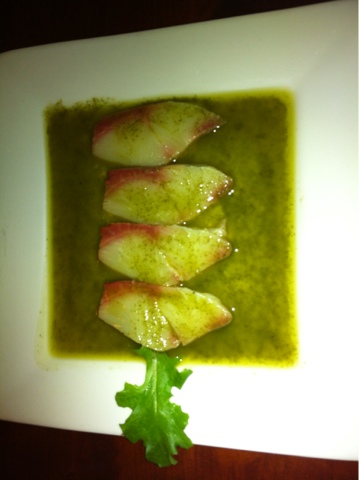
The sauce was incredibly yummy! Minako, the owner recognizes me because I've been to her restaurant so many times. This time, she confessed to me and my first-timer friend that she was a little bit frazzled because most of the customers, contrary to the norm, were also first timers; she had to explain the system to them, they didn't get it, and thank you for not being a familiar face, she said. She then chided me for asking if the Hamachi Mint could be made gluten free. "We only have three things on the menu that can't be made gluten free!" She exclaimed.

The twice cooked eggplant is really good! She's a character no doubt, and it was nice to be appreciated as a regular customer. She brought us some yummy snacks-pickled cauliflower and some sort of fermented and spicey noodle like veggie things. Yum!

Are you wondering why do I keep coming back? First of all, she really gets gluten contamination. Also, there's something for everyone- besides being so gluten free and celiac friendly, she uses organic foods, and has many vegan options.

The chicken katsu is at the bottom of the picture. I can't remember what the other thing is. The main reason I go back is for the gluten free Chicken Katsu. I don't know if there is anywhere else you can get that. And her's is damn good. Her mom even makes the Katsu sauce from scratch, so that it is gluten free. This is another reason I love this place. It's a small family business and I love that she knows and appreciates her customers. Additionally this is probably also the only place with gluten free inari (tofu pocket stuffed with rice). They only use gluten free tamari there, that's all you'll find in the bottles on the table. The inari is made with this. While the inari there isn't as stellar as the chicken Katsu, its still great and I get it everytime.

The sushi at Minako's is not my favorite. Some of the rolls are huge, and hard to eat. The rice is brown rice, which, while very healthy, is not my favorite for sushi. However, I usually get the small sized spicy tuna roll - pretty darned good and still a rare treat since gluten contamination at sushi restaurants is such a problem.


I love Minako and her food! This is my favorite gluten-free and celiac friendly restaurant in San Francisco hands down. I will keep coming back over and over just like the majority of her customers!


Wednesday, November 21, 2012

GoPicnic - Gluten Free Airport Food

I usually bring my own stash of food on plane trips, and supplement with Kind bars, fruit and various fruit/nut based food items. This ends up being a very sugary journey, ending my trip not only with the typical dehydration, but also sugar toxicity.

This time, I found GoPicnic. These little packages make for a nice mini meal. There are different types, but only one that is gluten free and dairy free, as well as being free of five other common allergens such as nuts.

The package includes the very yummy sunbutter, with certified gluten free crackers in just the right proportions to each other. The tropical fruit snack is delish, and the certified gluten free chocolate chocolate chip cookie was darned good considering. There was also a little pack of seeds and fruit, which was the least exciting in the box.


Upon completing my meal, I found a soduko puzzle. Yay! Gluten free goodness and math in one place? I'm a taker!